What’s in motion stays in motion: a baseball lesson for leaders
What’s in motion stays in motion: a baseball lesson for leaders
This week I’ve been at a baseball tournament with my son, and somewhere between the batting cages, coaching conversations and games, I found myself doing what I always seem to do…
Thinking about leadership.
One of the coaches was talking to the players about hitting and said something that immediately stuck with me:
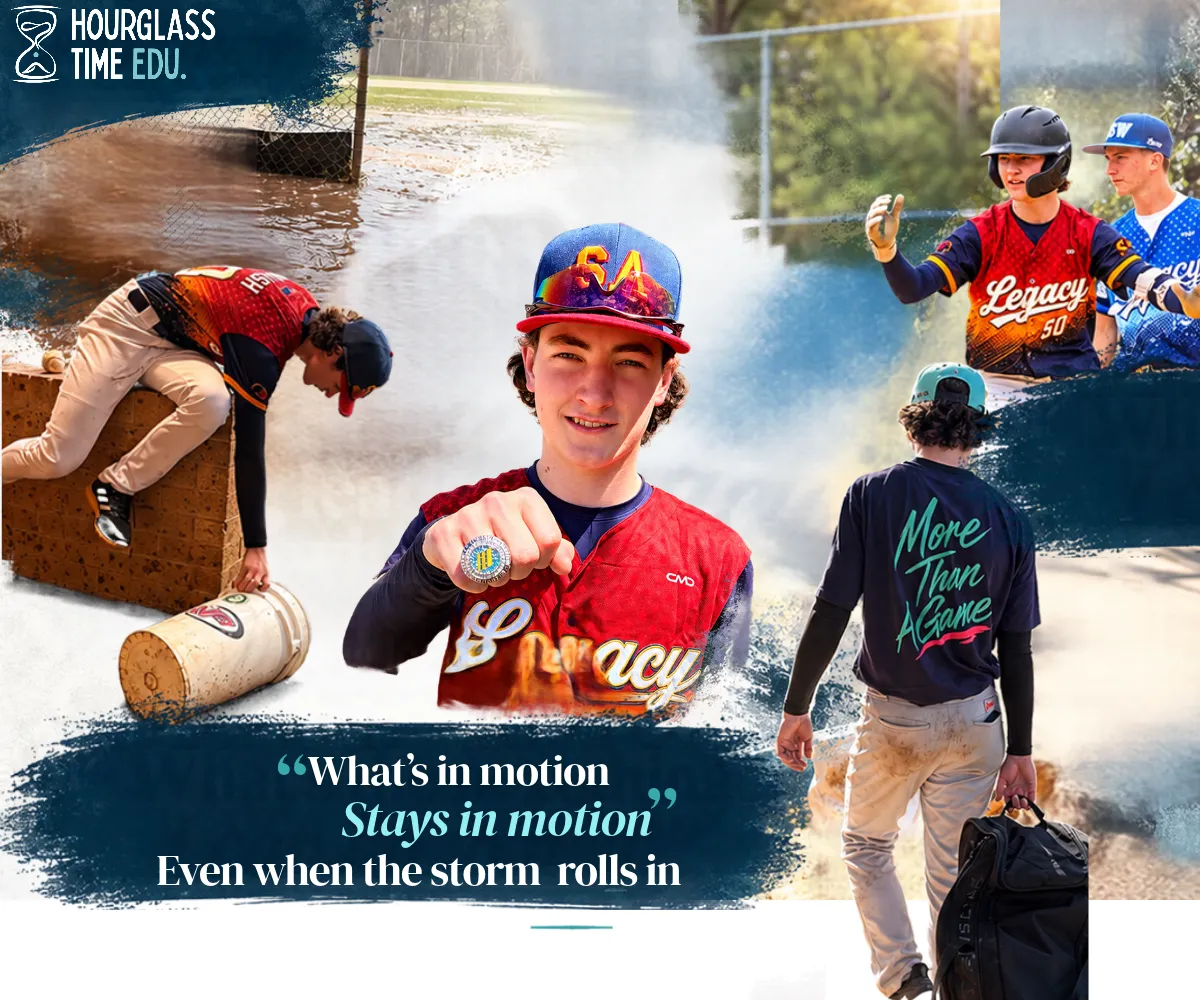
“What’s in motion stays in motion.”
And I thought — that is leadership.
Leadership momentum starts from the ground up
In baseball, a strong hit doesn’t start with the bat.
It starts with the legs.
Players are taught to stay grounded, use their legs as their foundation and generate energy from the ground up. From there, they build momentum through the body and into the swing.
If one part of that movement is off — their feet, their hips, their shoulders, their depth — it affects everything that comes after it.
Sometimes, they miss the ball entirely.
Leadership isn’t all that different.
We often want to jump straight to the big result:
A high-performing team.
A strong culture.
Better accountability.
Consistent practice.
A service that doesn’t rely on one person holding everything together.
But those outcomes don’t begin with one big leadership moment.
They start from the ground up.
They come from the small things leaders do consistently.
The conversations you don’t avoid.
The expectations you make clear.
The follow-up you actually complete.
The ten minutes you spend reviewing your numbers.
The time you protect for your team.
The action you take on something before it becomes a bigger problem.
Those little leadership actions create movement.
And movement creates momentum.
It’s much easier to keep moving than to keep starting again
Imagine two people in a running race.
One person is already moving and has a running start.
The other is standing still and has to generate all their energy from scratch.
Who has the advantage?
Of course it’s the person who already has momentum.
We see this all the time in our HGT Quality Partnership services.
At the beginning of a Partnership, we create a Roadmap with the service.
There might be a lot to work through — leadership, compliance, culture, practice, systems, enrolments, governance.
And initially, getting things moving takes effort.
But then the service starts implementing.
One action gets completed.
Then another.
A leader has a conversation they’ve been putting off.
A new system gets embedded.
The team starts understanding the direction.
Something that used to require reminding begins happening naturally.
And suddenly the service isn’t constantly trying to restart.
It’s in motion.
Momentum starts building.
Then the really exciting part happens: the actions begin to compound.
The team starts hitting a few home runs.
Fundamentals matter — even when you can’t see the result yet
Another thing I was reminded of this week is how much time athletes spend practising fundamentals.
They’ll work on their stance.
Their feet.
Their weight transfer.
Their timing.
Their finish.
Again and again and again.
Sometimes they can do everything technically right and still go 0 for 10.
No hits.
No obvious result.
But that doesn’t mean the work isn’t working.
Because eventually those fundamentals start showing up.
The hits become cleaner.
Stronger.
More consistent.
Safer.
Leadership is the same.
Sometimes you’re putting in the work and wondering whether anyone has even noticed.
You’ve been reinforcing the expectation.
Having the meetings.
Coaching the team.
Following through.
Setting clearer boundaries.
Changing systems.
And the results still aren’t quite there.
Keep going.
Culture shift takes repetition.
Leadership capability takes repetition.
Strong services are built through repetition.
If the fundamentals are right, eventually the results catch up.
Great hitters have more than one strategy
Something else I noticed watching baseball is that great hitters don’t approach every at-bat exactly the same way.
They have different strategies.
Different approaches.
They adjust depending on the pitcher, the situation, the count and what is happening in the game.
Leadership requires the same flexibility.
You can’t lead every person the same way.
You can’t solve every challenge with another checklist.
You can’t communicate every message in the same way and expect everyone to respond equally.
Sometimes you coach.
Sometimes you challenge.
Sometimes you listen.
Sometimes you give someone space to work it out.
Sometimes you need to be incredibly clear and direct.
The question becomes:
How many leadership strategies do you have available when your usual one isn’t working?
Strong leaders build a bigger toolkit.
Train the finish
One of the other coaching points I heard was about finishing the swing.
Not just making contact with the ball, but following all the way through, allowing the movement to finish and then returning to your starting position ready for the next pitch.
That made me think about something we see in leadership constantly.
We’re often really good at starting.
We announce the new process.
We run the training.
We have the meeting.
We create the action plan.
Then we move onto the next thing.
But did we finish?
Did we follow up?
Did we check whether the new behaviour became embedded?
Did we celebrate progress?
Did we review what worked?
Did we reset ready for the next challenge?
Starting creates activity.
Finishing creates change.
And finally… hitting should be fun
This might have been my favourite reminder from the week.
Hitting should be fun.
Yes, there is technique.
Yes, there is discipline.
Yes, there is effort, repetition and plenty of frustrating moments.
But ultimately, people play because they love the game.
Leadership can become so heavy that we forget this.
Targets.
Compliance.
Staffing.
Budgets.
Performance conversations.
Rosters.
Families.
Quality improvement.
There is always something else requiring your attention.
But leadership should also contain energy.
Curiosity.
Connection.
Celebration.
Those moments when you look around and realise your team is doing something they couldn’t do six months ago.
Those moments when someone steps up without being asked.
Those moments when your service starts moving without you having to push every single thing forward.
That’s momentum.
And once you have it, leadership starts feeling very different.
So perhaps the question isn’t:
“What massive thing do I need to change?”
Maybe it’s:
What small leadership habit could I put in place today that would start creating momentum?
Because what’s in motion stays in motion.
And sometimes one small action is all you need to start the run.
Ready to get something moving?
If there’s an area of your leadership, team or service that feels a little stuck, our free Sprint to Safe™ Reflection One-Pager will help you turn it into clear, manageable action.
Use it to identify what needs attention, define what “moving well” looks like, choose your first move and build momentum over the next seven days.
Because you don’t need to fix everything at once.
You just need to get something in motion.
Download your free Sprint to Safe™ Reflection One-Pager and start building momentum today.